
Gut health
How to Fix Your Gut for Good
My blood work was perfect, yet I was bloated, foggy and exhausted. Here is the step-by-step investigation that finally fixed my gut, and the small habits that made the biggest difference.
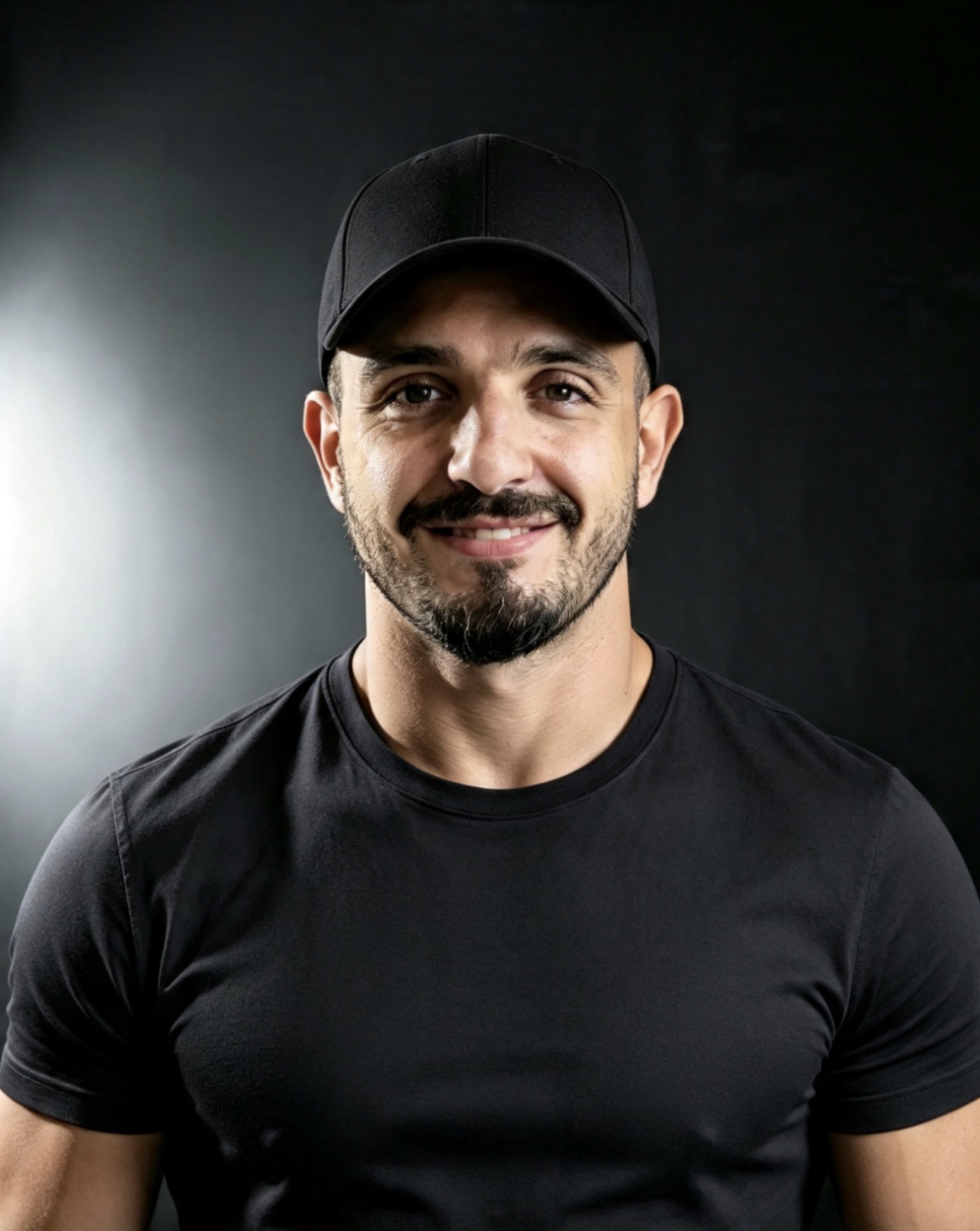
Azer Mahdi
· 12 min read

Watch the full video on YouTube: https://www.youtube.com/watch?v=aMn3sUXwafA
This topic is very personal to me. For a long time I followed everything the mainstream media, famous bodybuilders and fitness influencers told me about what to eat and how much of it. On the outside, I looked fit. On the inside, I felt terrible.
I was bloated after every single meal. I had brain fog. I could not sleep properly, and I kept waking up in the middle of the night. My energy crashed throughout the day, and I needed coffee just to function. That would have been bad enough on its own, but I also had a lot of responsibilities, and I could not afford to be unproductive. I needed to get the most out of every hour of my day.
This article is the story of how I fixed it, step by step. If any of these symptoms sound familiar, I hope it saves you some of the time I lost.
When the doctor says you are fine, but you feel terrible
My first move was a sensible one. I went to see a doctor and ran a full set of blood work, so I could see exactly what was happening inside my body.
The doctor looked at the results and told me I was great. He said it was the best blood test he had ever seen. I remember thinking: that is wonderful, but I do not feel great. He could not explain it either. I was training, I was doing everything by the book, and he had no idea why I felt the way I did.
That was the moment I understood something important. Doctors are there to tell you whether you are sick. If you are not sick, they are not really there to help you optimise your health. That is not a criticism of doctors. It is simply how the system is built. But it bothered me, because I could not accept that a healthy body should feel like this. Constant bloating, fog and fatigue are not what feeling healthy looks like.
So I decided to go down the rabbit hole and run my own investigation.
The gut is the second heart of the body
In my research, I came across a study that highlighted how much of what happens in the body, including the metabolism, starts in the gut. That was when I started to think of the gut as the second heart of the body.
It works like a domino effect. If your gut is unhealthy, it affects your digestion. That affects how well you absorb your food. That affects how you recover, how you perform in the gym, and how well you sleep. Everything is connected. If one pillar is wrong, the others begin to fall.
That described my situation exactly. I was working on training and food, but the foundation underneath them was not stable.
Step 1: A process of elimination
I started with a 24-hour fast, to give my body a clean slate. Then I began a careful process of elimination, going through every single ingredient I was putting into my body.
I think of this as a form of self-respect. You would not put diesel in a Ferrari. You would use premium fuel. So I decided to look at my own body the same way and give it premium nutrients.
Even after that, I still had some bloating here and there. When I looked closer, I found that some of the foods I was eating were part of the problem. The protein puddings you find in the supermarket were one example. They were causing inflammation in my gut. They were making me bloated and disturbing my sleep.
I also made sure that what I ate was organic, and I bought high-quality food. I spent a lot of money on it, just to be sure that I would feel great afterwards.
The results were good. Some of my symptoms started to improve, especially the energy crashes and my sleep. I knew I was moving in the right direction. But I was not there yet.
Every body is different
There is one important lesson in this step. Every metabolism works differently.
Take two men, Bob and Billy, and give them both a plate of potatoes. Bob might do very well with them. Billy might not, perhaps because his metabolism is not well adapted to turning potatoes into energy. The same food, with two different results.
That is why a customised approach matters so much. It is what I do with most of my clients. We go through each step together and find which foods work for them in particular. A generic meal plan can only take you so far.
Step 2: How you eat matters as much as what you eat
I was doing everything right on paper, but I was still not feeling great, and it was starting to affect my performance in the gym. So I looked at my habits more closely.
I noticed that I was eating in front of my computer. I was eating while I walked. I believed all my body needed was fuel, so I just had to get the food in and carry on with my day. I had never set aside a specific time in my day to eat without distractions.
That is when I understood that the state you are in when you eat matters a lot. If you are in a high-stress moment and you decide to eat, your body does not absorb that food in the same way as when you are calm. When you are stressed and your cortisol is high, your body operates differently.
That made complete sense to me. So I began to set aside a dedicated time each day, usually about an hour, where I would sit down and eat. No screens, no rushing, no walking around.
It helped. I felt better. But I still had some bloating and some brain fog, and the brain fog did not make sense to me, because I felt I was doing everything right.
Step 3: The order of your meal
I kept investigating, and I came across another study. It suggested that when you sit down to eat, you should start with protein, then fats and fibre, and finish with carbohydrates.
The idea is that you give your body what it needs as a priority. You ask: what does my body need at this stage, right now? Then you serve it in that order.
I tried it, and honestly, it felt amazing. I had zero bloating. My energy crashes became much less frequent. I felt good in general.
I carried on with this. But then I noticed that I still felt very foggy in the morning, even though I was now eating in the right order. I asked myself: why am I not waking up with full energy, ready to attack my day?
Step 4: Stop eating right before bed
The answer came from looking at my evenings. I was eating about 30 minutes to an hour before I went to sleep.
Digestion takes a lot of energy. It made no sense to eat a meal and then go straight to bed, when my body still had so much work to do. So I changed it. I finished my last meal, then waited two hours before going to sleep.
That brought more positive results. But I still did not have that peak of energy, the feeling of waking up ready to conquer the day. I was already getting up at 6:00 every morning to get my day going. Something was still missing.
Step 5: The ten-minute walk
So I went back to the research, and this time I found the missing piece.
A ten-minute walk after every meal.
When you eat, especially carbohydrates, your blood sugar rises. That spike is what causes a lot of the strange feelings and the energy crashes. A short walk after eating helps with that.
This is the habit I would pick above all others. You could skip the gym. You could skip almost everything else. But this one small habit is a game-changer.
When I started doing it, it changed the whole equation. I felt great. I did not feel the need to chase other fixes, because I knew I had covered every important area of my life.
Why small habits beat big fixes
Looking back, none of the steps that worked for me were dramatic. I did not take a secret supplement or follow an extreme diet. Each fix was a small change to how I lived: how I ate, when I ate, and what I did after I ate.
That is what makes this approach realistic for busy people. You do not need to rebuild your whole life. You need to find the one or two habits that are quietly working against you, and change them. Then you move on to the next one.
I also want to point out how long the process took. I did not solve everything in a week. I made a change, watched how my body responded, and then looked for the next missing piece. Each step improved something. Fewer energy crashes. Better sleep. Less bloating. Clearer mornings. Small wins stacked on top of each other until the whole picture changed.
The mistakes I see most often
When I work with clients, I see the same patterns again and again.
The first is eating while distracted. People eat at their desk, in the car, or while scrolling on their phone. They think of food as fuel to get in as quickly as possible. But a body that is stressed and rushed does not digest the same way as a body that is calm.
The second is eating late. A big meal right before bed means your body spends the night digesting instead of resting, and then you wonder why you wake up foggy.
The third is skipping movement after meals. After a heavy meal, most people sit back down. A short walk is one of the easiest things you can do, and almost nobody does it.
The fourth is copying what works for someone else. Because every metabolism is different, the foods that make your friend feel great might not suit you. Pay attention to how your own body responds, and let that guide you.
How to start this week
If you only take three actions from this article, make them these. First, eat one meal a day sitting down, with no screen, and take your time. Second, finish your last meal at least two hours before bed. Third, walk for ten minutes after your biggest meal.
Do that for a week and notice how you feel. Check your energy in the afternoon, your sleep at night, and how you feel when you wake up. Then add the next step.
The full routine at a glance
If you want to try this yourself, here is the whole process in one place:
Remove the ingredients that cause you problems, one at a time, and notice how you react. Eat in a calm environment, with no distractions, and give yourself dedicated time to eat. Start your meal with protein, then fats and fibre, and finish with carbohydrates. Finish your last meal at least two hours before you go to sleep. And take a ten-minute walk after each meal.
None of it is complicated. The difficulty is not in knowing what to do. It is in doing it consistently, and in being honest enough to notice which of these habits you are ignoring.
Why I built a free plan
Most of the clients I have worked with have gone through something similar. We have fixed it through careful observation, taking each piece one at a time.
That is why I created a free 30-day recomp plan, which you can download from my website at no cost. You can try it for 30 days, and I believe you will see results.
If you are struggling and you are busy, you may not have time to spend months researching on your own. Time is the most valuable thing you have. You do not want to spend it consuming endless information when you could have the right person around you. If that is you, reach out to me. We can sit down, talk through the details, and see how I can help you get the most out of your day.
Start here
Download your free 30-day recomp plan here: https://azermahdi.com/
Watch the full video on YouTube: https://www.youtube.com/watch?v=aMn3sUXwafA
If you have any questions, leave a comment under the video and I will be happy to answer them.
Disclaimer
This article is for general information and education only. It is not medical advice, and it is not a substitute for advice, diagnosis, or treatment from a qualified doctor or other licensed healthcare professional. I am sharing my own experience and what I have seen with my coaching clients. Reading this article does not create a doctor-patient or coach-client relationship.
Bloating, low energy, brain fog, poor sleep, low libido, and constant stress can have many causes, including medical conditions. If you have any health condition, are pregnant, take medication, or have symptoms that are severe or do not go away, speak to your doctor before you change your training, nutrition, supplements, fasting, sauna or cold exposure, breathing practice, or sleep routine. Never ignore or delay professional medical advice because of something you read here. If you think you have a medical emergency, contact your local emergency services right away.
The client stories and results mentioned here are real examples, but they are not guarantees. Results vary from person to person and depend on many factors, including your health, effort, consistency, and circumstances. Supplements, calorie targets, and training programmes are mentioned only to describe what I do and what I have seen, and they are not a recommendation for you personally.
You are fully responsible for your own health decisions and for how you use this information. To the fullest extent permitted by law, Azer Mahdi disclaims liability for any loss, injury, or damage resulting from the use of, or reliance on, this article.